
Photograph by Black Taxi Tours of London
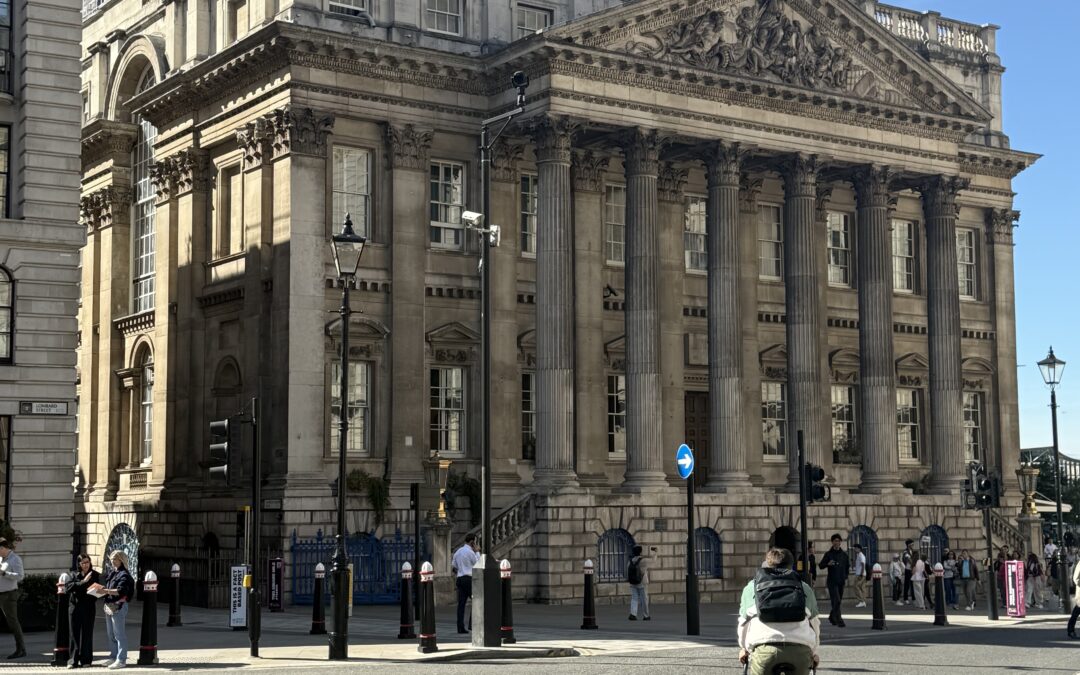
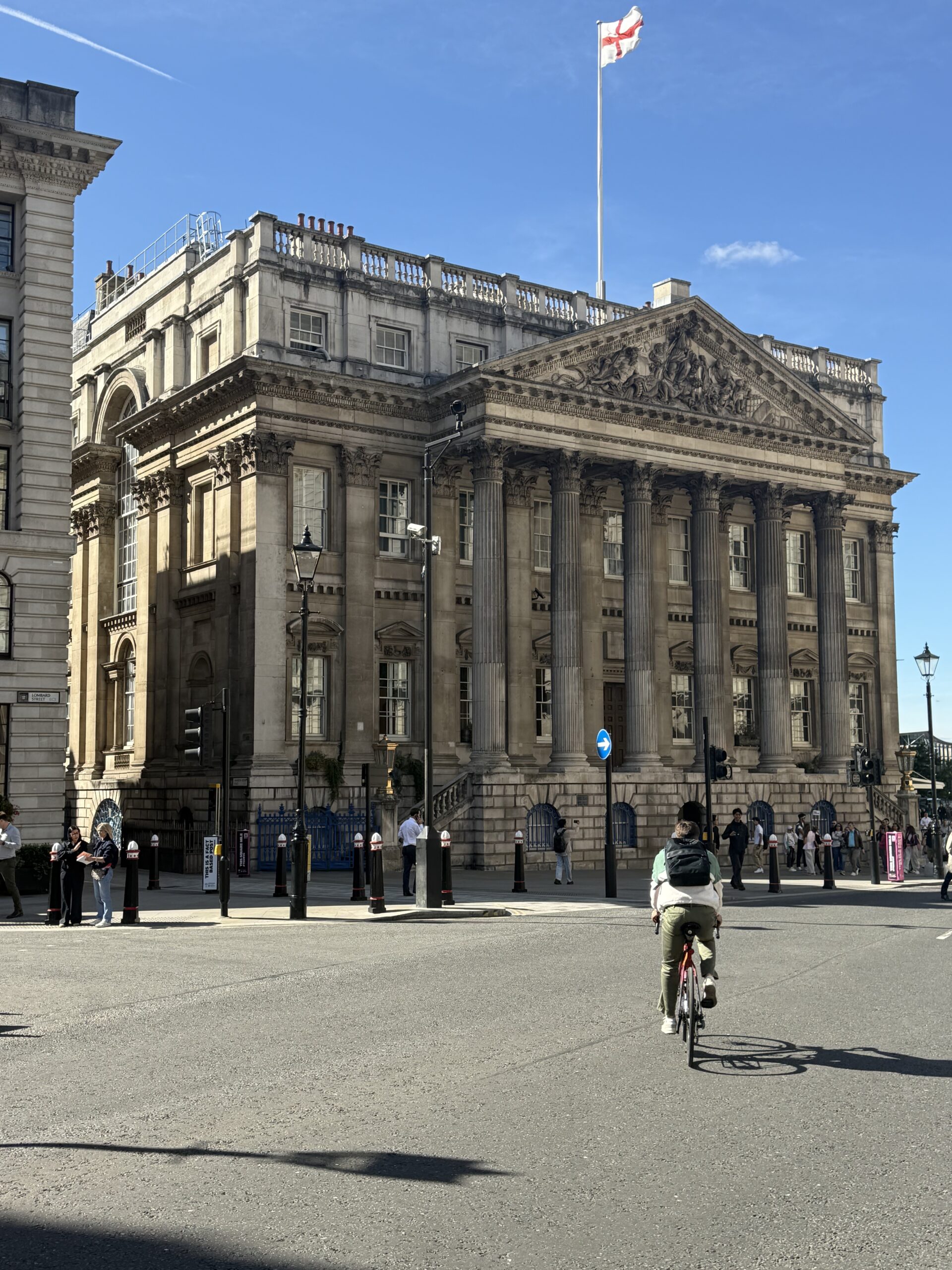
Tucked away in the heart of the City of London opposite the Bank of England, Mansion House is one of London’s more intriguing historic buildings. It may not have the instant fame of Buckingham Palace or the Tower of London, but this elegant Georgian mansion has been at the centre of City life for almost three centuries.
Built between 1739 and 1753 to designs by architect George Dance the Elder, Mansion House became the official residence of the Lord Mayor of London. It was created at a time when the City wanted a permanent home for its mayor, rather than expecting each new office-holder to entertain guests at his own house.
The building is a fine example of Palladian architecture, with its imposing portico and grand stone staircase. Inside, the scale becomes even more impressive. The Egyptian Hall, with its huge columns and elaborate decoration, is the setting for some of the City’s most important ceremonial occasions. Despite its name, however, it isn’t really Egyptian at all: its design was inspired by the Roman architect Vitruvius and Roman buildings in Egypt.
Mansion House also contains some remarkable treasures. Its collection includes magnificent gold and silver plate, ceremonial swords and the famous Collar of Esses, as well as the Harold Samuel Collection of 17th-century Dutch and Flemish paintings. One of the collection’s highlights is a lively painting by Frans Hals, The Merry Lute Player.
Mansion House also has an unexpected connection with one of London’s most notorious disasters.
The Lord Mayor in 1666 was Sir Thomas Bloodworth, who became infamous for underestimating the seriousness of the Great Fire of London. According to Samuel Pepys, when told about the growing fire, Bloodworth apparently said words to the effect that if a woman went to the bathrooom, sho could put out the fire at the same time. Unfortunately, the fire had rather more ambition than he anticipated. It went on to destroy much of the medieval City.
Bloodworth never lived in Mansion House, however, the building didn’t exist until almost a century later. His unfortunate reputation is simply part of the fascinating story of the Lord Mayoralty.
Today, Mansion House remains the official residence and workplace of the Lord Mayor and continues to play an important role in the ceremonial life of the City. It is also possible to visit on guided tours, which offer travellers the chance to see the historic state rooms and part of the art collection. Tours last about an hour and must be booked in advance.
For visitors exploring the City, Mansion House makes an excellent stop, particularly because it sits within easy walking distance of St Paul’s Cathedral, the Bank of England, the Royal Exchange and Leadenhall Market. It offers a glimpse into a side of London that is easy to miss: grand, historic and still very much part of the working City.
See The Mansion House on a ‘Secret London’ black cab tour!
www.blacktaxitours.co.uk info@blacktaxitours.co.uk