
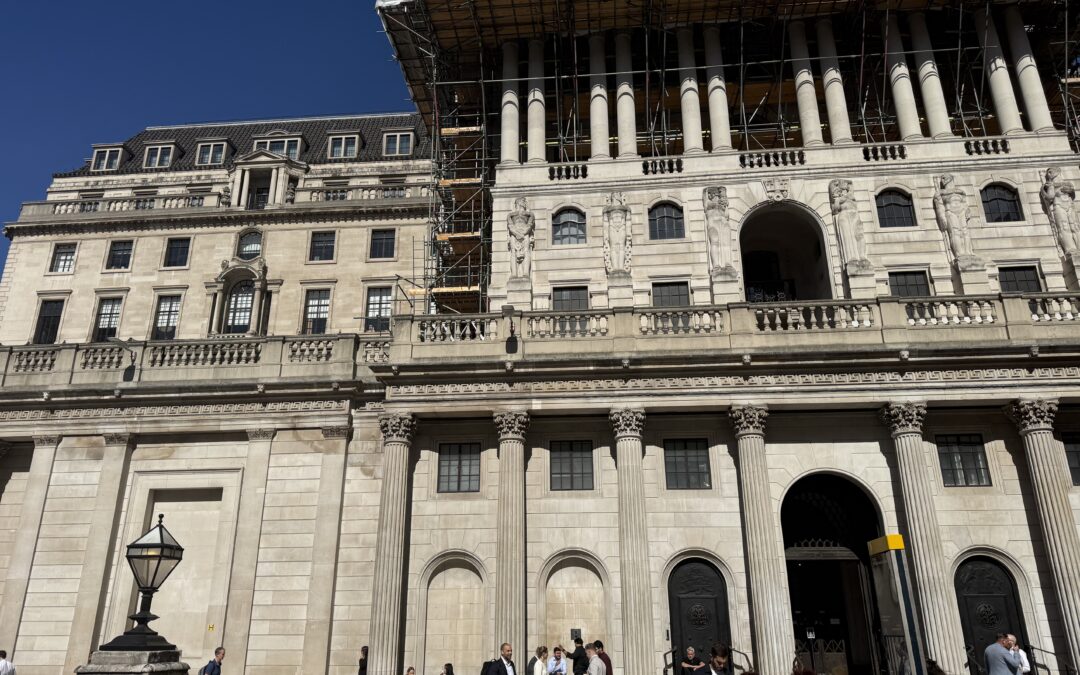
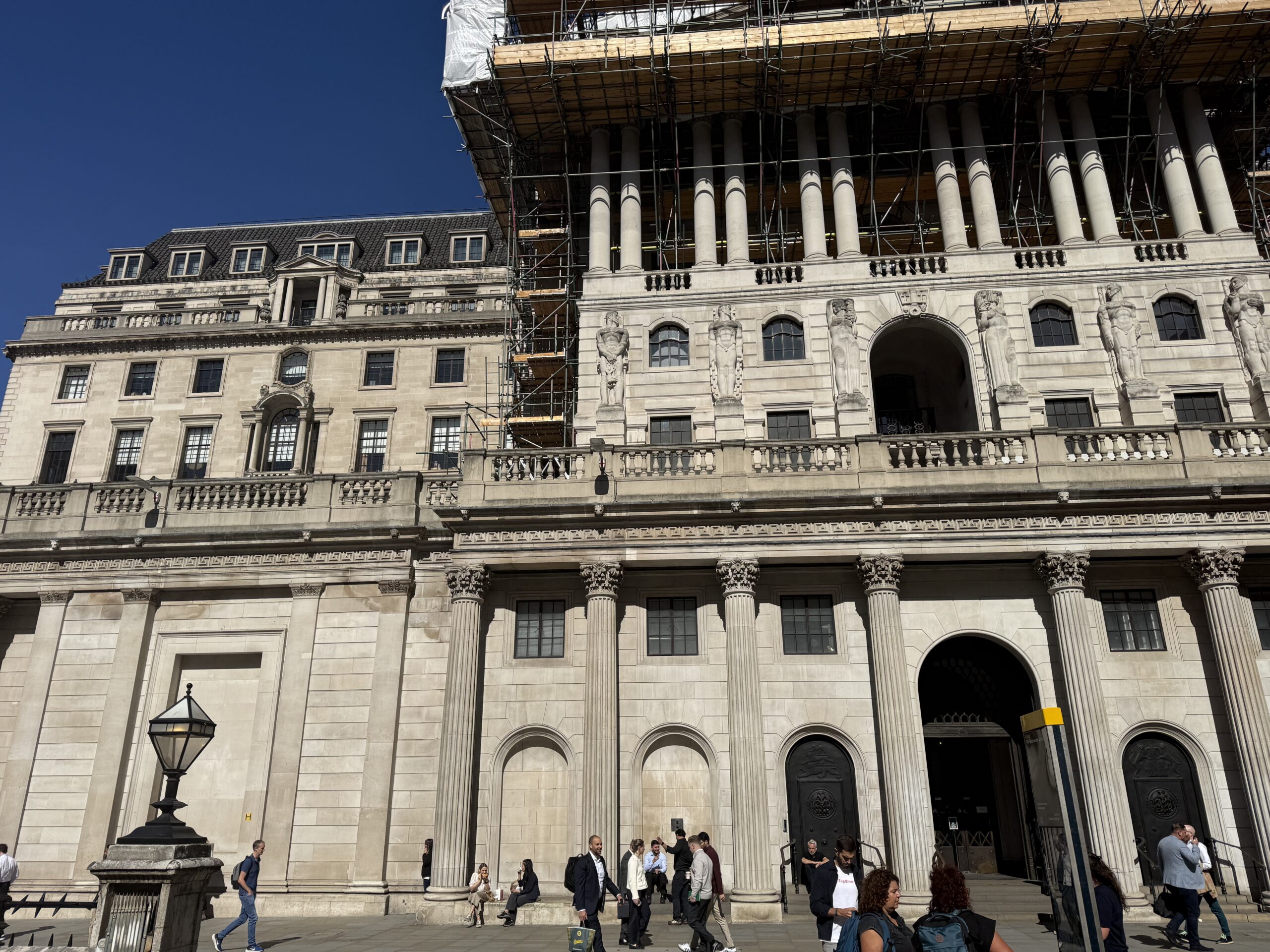
Standing in the heart of the City of London, the Bank of England is one of Britain’s most important historic institutions. Founded in 1694, it has played a central role in the nation’s financial history for more than three centuries. Today, it remains a fascinating landmark for visitors exploring London’s rich heritage.
The Bank of England was established to help raise money for the government of King William III, which needed funds to fight a war against France. In return for lending the government £1.2 million, a group of investors helped establish the institution that would become the country’s central bank.
Over the centuries, the Bank grew in importance, helping to shape Britain’s financial system through wars, economic crises and periods of extraordinary commercial expansion. Its influence was so significant that it earned the affectionate nickname “The Old Lady of Threadneedle Street”, a name that has endured to this day.
The Bank’s imposing buildings occupy a substantial site in the City of London. Much of the historic exterior was designed by the celebrated architect Sir John Soane, whose work created a distinctive, largely windowless perimeter wall. Although much of Soane’s original building was later replaced, elements of his architectural legacy survive.
The Bank also has a remarkable underground history. Its gold vaults hold precious metal reserves, and the sheer scale of the operation has inspired plenty of curiosity over the years. Naturally, the vaults are not open for casual sightseeing!
The Bank’s nickname has an entertaining origin. In 1797, a satirical cartoon by James Gillray portrayed the Prime Minister, William Pitt the Younger, attempting to court an elderly woman representing the Bank of England. The image mocked the government’s financial dealings with the institution, and the character helped establish the enduring image of the Bank as the “Old Lady”.
The Bank of England is an excellent stop for anyone interested in British history, architecture and the story of London’s rise as a global financial centre. Nearby, visitors can explore the Royal Exchange, the Mansion House and the historic streets of the City.
For a wider view of London’s history, a London black cab tour is a comfortable way to connect landmarks like these with the capital’s royal, political and commercial past, while discovering the stories that make the city so distinctive.
Whether you are a history enthusiast or simply curious about the institutions that shaped modern Britain, the Bank of England deserves a place on your London sightseeing list.
See the Bank of England on a ‘Secret London’ black cab tour of the City
BLACK TAXI TOURS OF LONDON
www.blacktaxitours.co.uk info@blacktaxitours.co.uk