
When most people picture Isaac Newton, they imagine the quiet scholar under an apple tree in rural Lincolnshire. But London, crowded, chaotic, and buzzing with early modern ambition, played a defining role in shaping Newton’s later life and legacy.
Newton arrived in London in 1696, not as a scientist, but as a civil servant. Appointed Warden of the Royal Mint, he moved into a house in the Tower of London, where he waged a surprisingly fierce war against counterfeiters. The man who once decoded the laws of motion now spent his days decoding criminal networks, personally interrogating suspects in London taverns and courts. It’s a side of Newton that feels almost cinematic.
Just a short walk away, at the Royal Society on Crane Court, Newton presided as its President for nearly a quarter of a century. London’s intellectual circles, philosophers, astronomers, instrument-makers, became his new orbit. Here, he refined his ideas, defended his reputation, and shaped the scientific culture that would ripple across Europe.
Even in death, Newton remained tied to the city. Westminster Abbey, the resting place of monarchs and poets, made an exception for him. His grand monument still stands there today, a testament to a man who transformed our understanding of the universe yet spent some of his most influential years navigating the very human complexities of London life.
London didn’t create Newton’s genius, but it amplified it. The city gave him a stage, a network, and ultimately a legacy carved into its very stones.
Share in London’s history on a black taxi tour of London
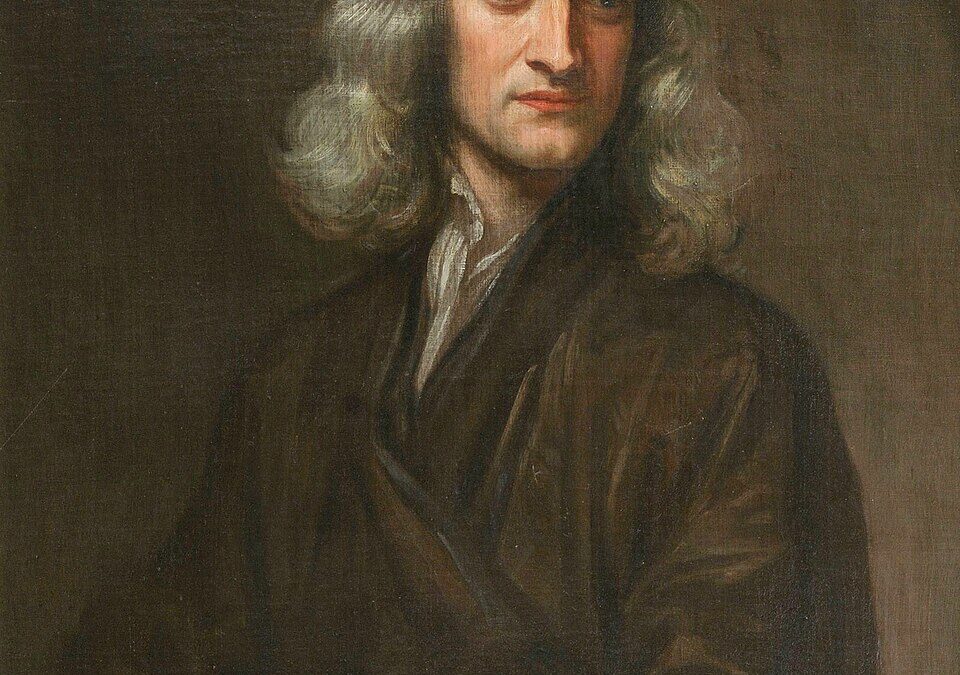
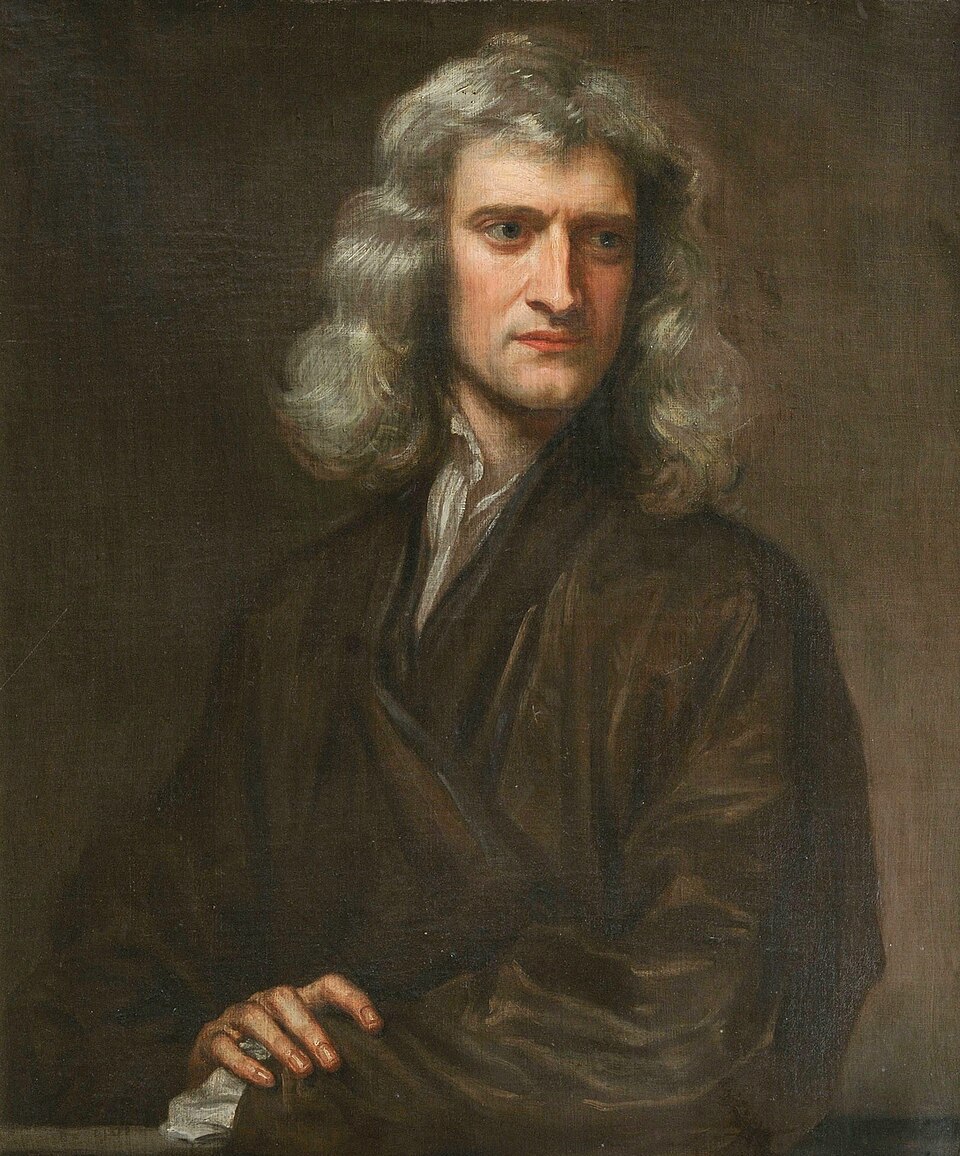
Image Courtesy of Wikipedia. Portrait of Isaac Newton (1642-1727) Collection Isaac Newton Institute. Artist Godfrey Kneller (1646–1723)