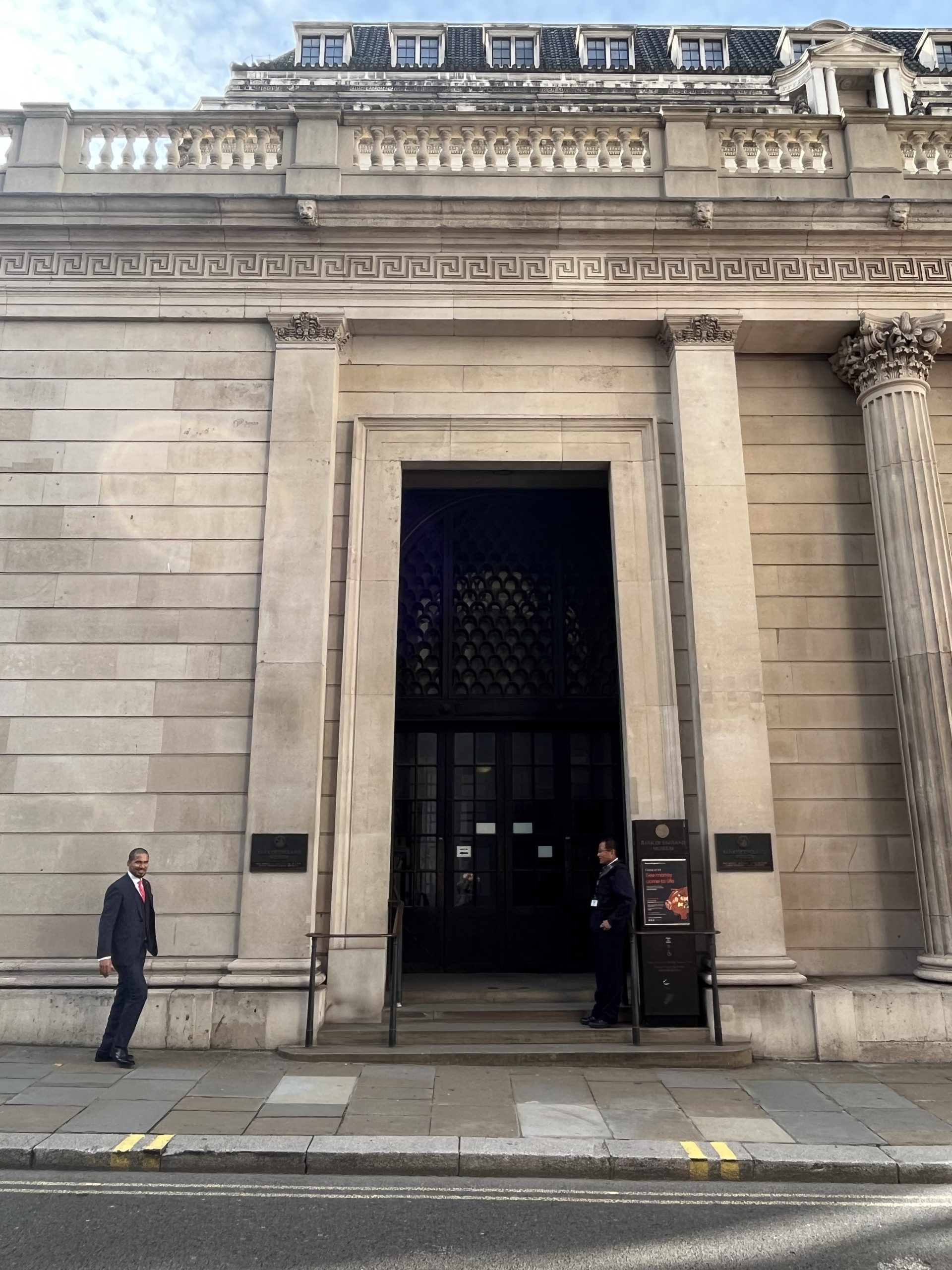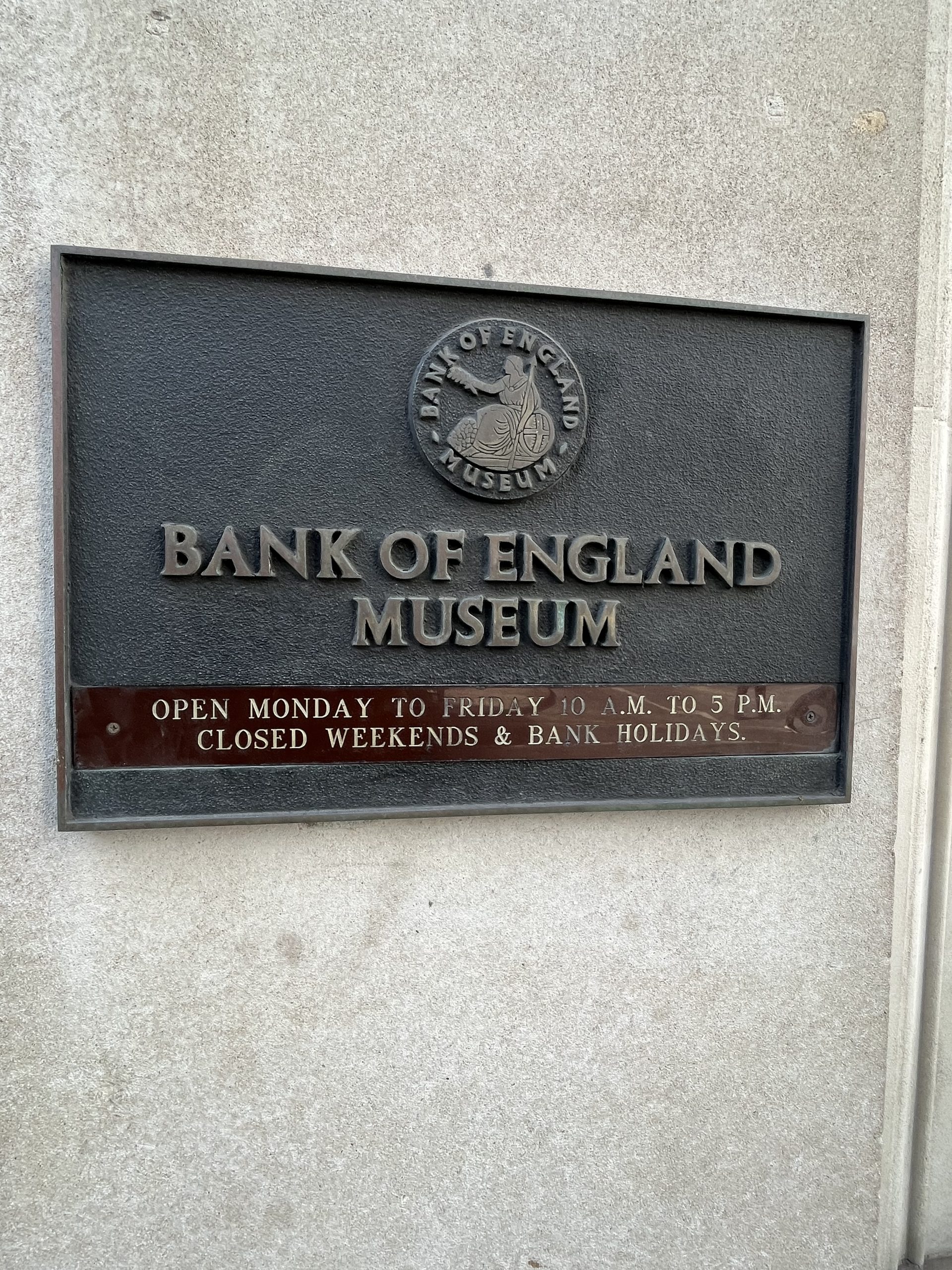
Do you like money? No, I mean really like money? Because if you are fascinated by the history of finance then this hidden away museum, tucked down a side street alongside the Bank of England, could be just for you.
The Bank of England was founded in the late 17th century as a way for the British government to raise money. What did they need the money for? War of course. And who were we fighting? The French. Goes without saying.
Before the Bank came along, banking had been carried out by London’s Goldsmiths. They looked after gold deposits given to them by the wealthy and lent out money charging high interest rates. It was a lucrative business. One of their customers happened to be King Charles II who borrowed vast quantities of cash to finance his extravagant lifestyle but then decided that as he was King, he didn’t have to pay it back!
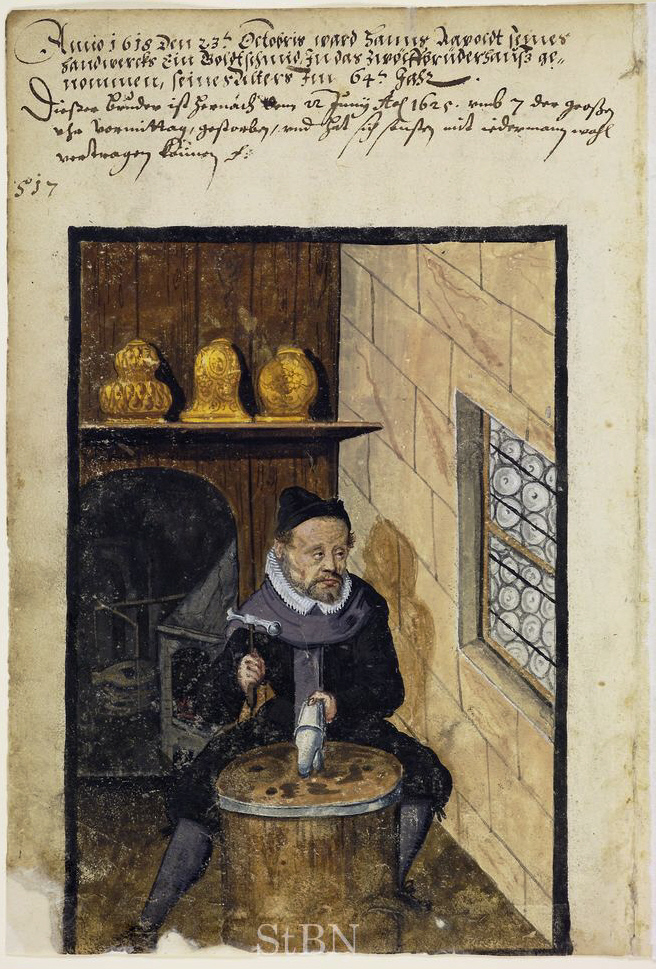
Image courtesy of Wikipedia
After that, Goldsmiths were understandably reluctant to lend money to the crown. So when William III came along in 1693 with a request to borrow funds for his war with the French, the answer was a resounding no.
Plan B was called for. Trouble was, there wasn’t one. Various ideas were put forward as a way of raising money, but the one settled on, was by a Scottish Merchant called William Patterson, who’s idea was that members of the public could become shareholders in a new joint stock company and lend £1.2 million to the government (around £200 million by today’s prices). For this they would be paid 8% interest.
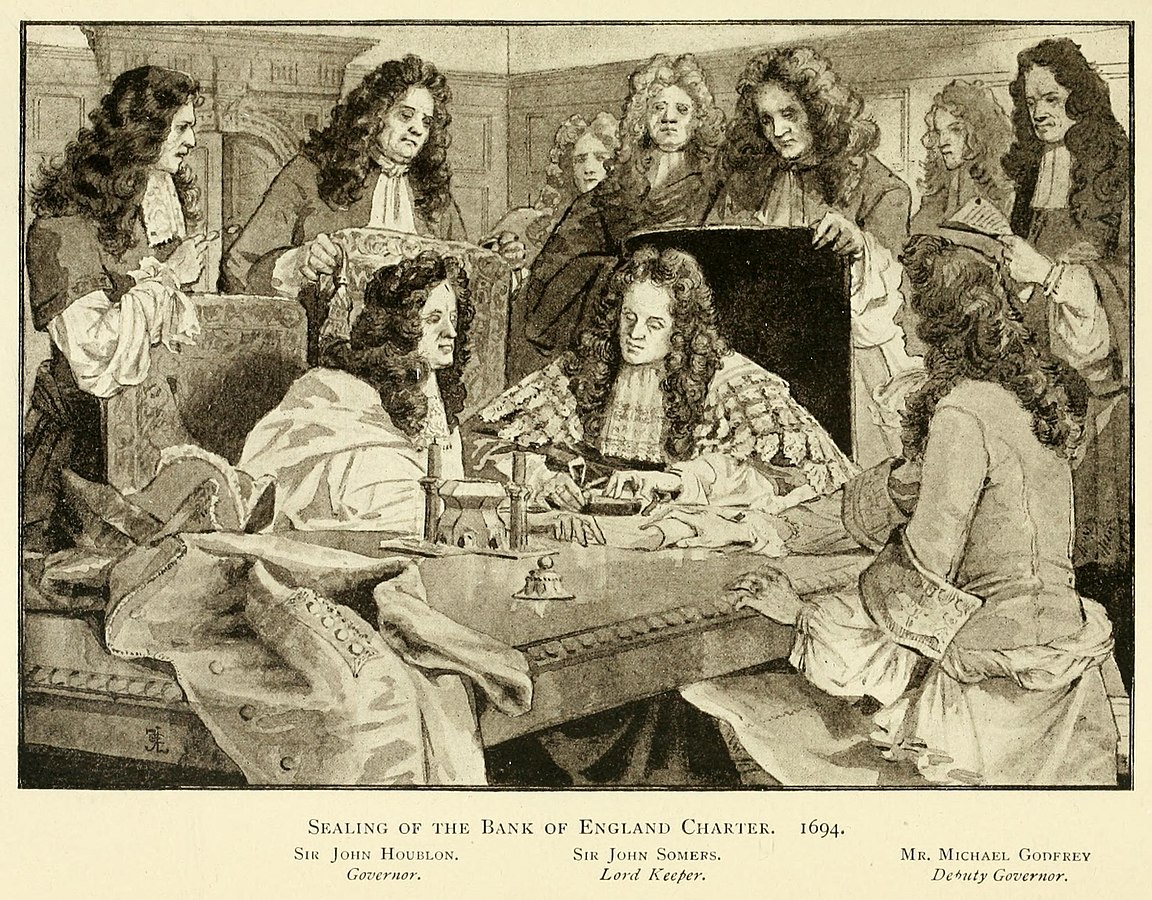
Bank of England Charter sealing
Image courtesy of Wikipedia
The target was raised in just eleven days by 1268 members of the public and the Bank of England was formally established by Royal Charter in 1694
The other attraction of a ‘Bank of England’ was that it was independent and all its money stored inside thick walls, safe from the hands of greedy kings and queens!
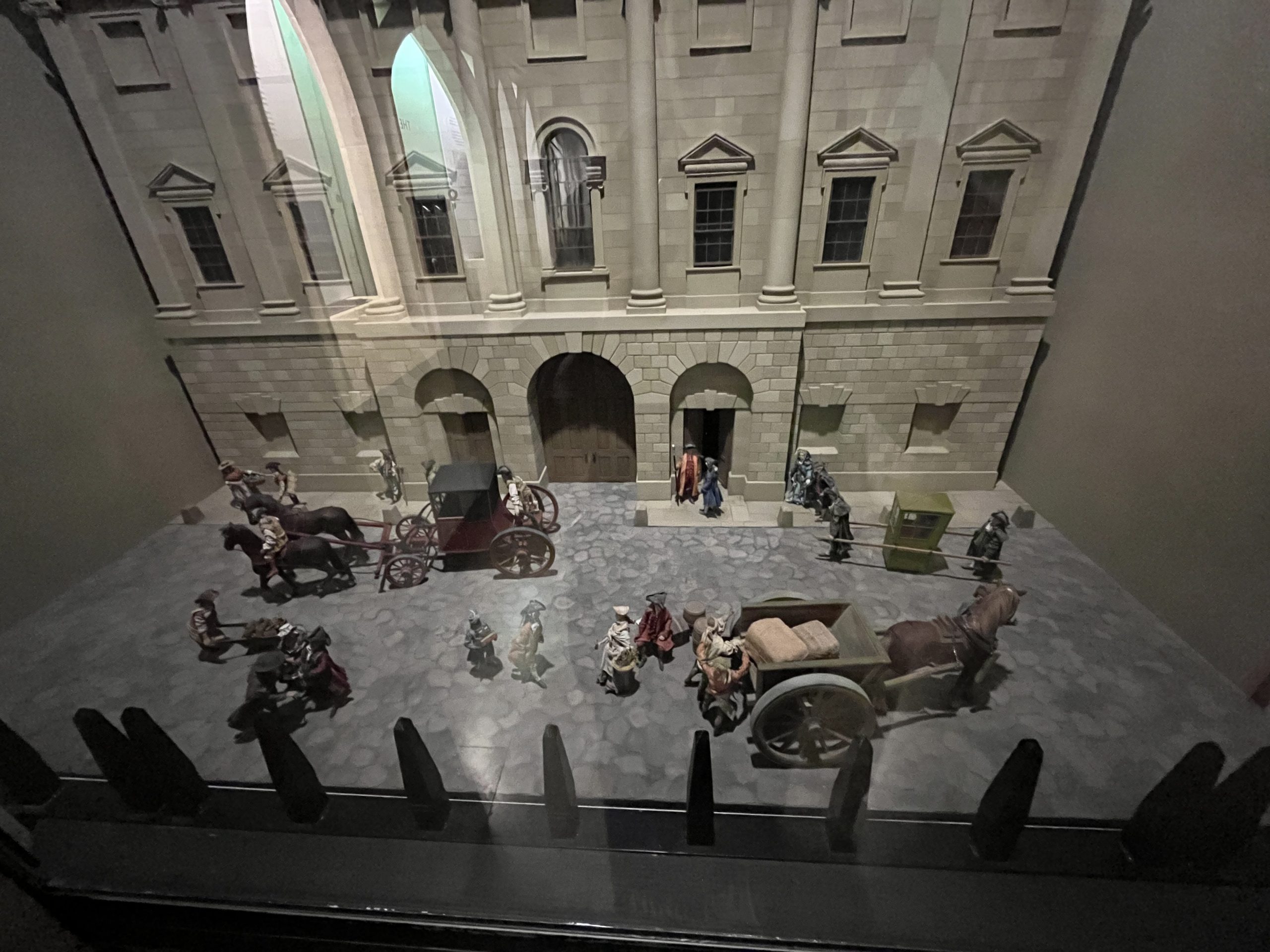
Through exhibits, models and posters, the museum shows how the Bank of England went from an idea with a single purpose, to the financial giant it’s become in today’s complex, monetary world.
Oh, and the other good reason to visit this fascinating story of money-lending, it’s free!